Skip to content

Product designer · Munich, Germany

I'm Miguel. I care about how things work, and how they feel to use.

I'm a product designer based in Munich. I'm drawn to the questions behind an experience: what people need to understand, what gives them confidence, and how the details of a product shape their choices. Curiosity, care, and a willingness to question assumptions guide how I approach design.

I believe thoughtful design brings clear reasoning and careful craft together. The structure of a product and the quality of its interface both matter. I want the things I design to feel considered, help people make sense of their situation, and give them enough understanding and control to move forward.

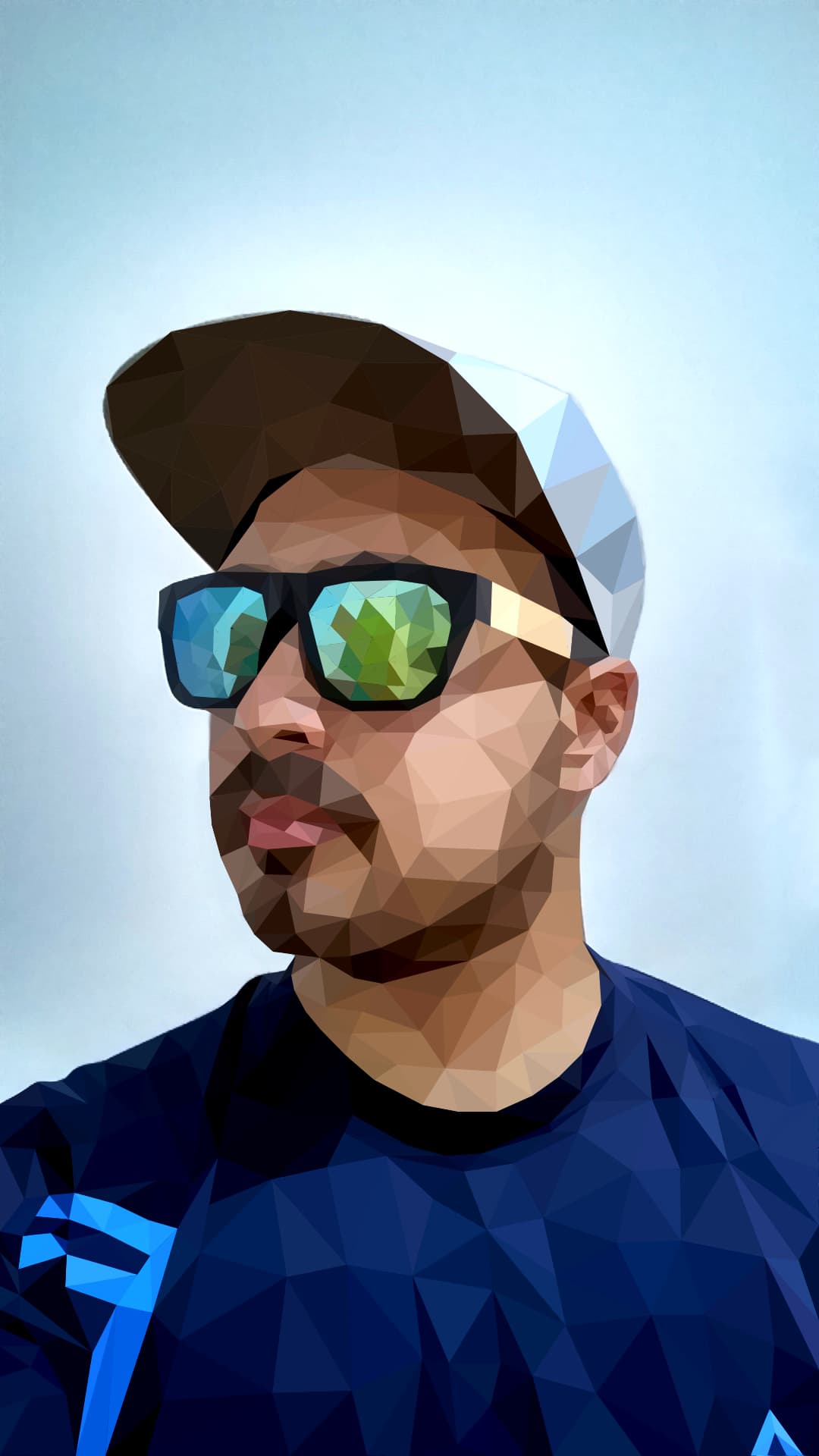
Low-poly portrait of Miguel Ruiz-Hansen

Based in Munich, Germany. M.Sc. in IT Product Design and Development, Aarhus University.

What I believe

Thoughtful systems. Carefully made interfaces.

Clarity should preserve what matters

I believe clarity comes from giving complexity a useful structure. People should be able to recognise what matters, understand their options, and act with confidence. Some details are essential to a good decision. The design challenge is deciding when and how to make those details available, keeping the experience approachable while respecting the depth of the task.

Craft makes the product easier to understand

Typography, spacing, iconography, and interaction details shape how people read and use a product. I care about that precision, from an individual state to the rhythm of a complete flow. Visual quality and usability develop together when the important information, available actions, and system feedback are easy to recognise.

Shared patterns need room for context

I look for decisions that can be reused across a product: components, interaction patterns, and shared language. I also want to understand where a particular task needs something different. A useful design system brings consistency to product work while allowing designers to respond to the people and workflows it supports.

Trust comes from understandable behaviour

People need to understand what a system is doing, why a recommendation appears, and what happens when they act. This matters in operational tools and becomes especially important with AI. I value clear feedback, visible consequences, and ways to question or intervene in automated behaviour so people can make informed decisions.

Good questions make room for better design

I try to make assumptions and tradeoffs discussable early. That can mean asking which user need a request addresses, what evidence we have, or what a proposed shortcut means for the experience. Research, prototypes, and conversations with colleagues help the team decide what to pursue and what still needs to be understood.

Design should help a team think together

I value the shared understanding that design can create. A clear model, a prototype, or a carefully explained decision can give people with different expertise something to work through together. I want the reasoning to be accessible enough that colleagues can question it, contribute to it, and carry it forward as the product develops.

How I work

Curious about the problem. Involved in the details.

I move between understanding the task, shaping the interface, and working through implementation with the team. Research, craft, and collaboration inform each other throughout that process.

01

Understand the people and the task

I start by understanding what people need to accomplish and the conditions around their work. Listening, research, and conversations with domain experts help connect a request to the underlying task. I want to know which information matters, where uncertainty enters the experience, and what we are assuming. I try to keep those questions open long enough to learn something useful, then make the understanding concrete enough to guide design decisions.

02

Make the design concrete enough to discuss

I use flows, detailed interfaces, and prototypes to give an idea enough shape that people can examine it together. I want to understand the less straightforward moments too: empty states, unclear feedback, competing priorities, and the information someone needs before acting. Making those situations visible helps surface disagreements and missing assumptions. It also gives the team a way to evaluate the proposal and refine it with more confidence.

03

Work through the details with the team

I work closely with people from different disciplines because their knowledge changes what a good solution looks like. I try to explain the intent behind a design, understand implementation concerns, and make tradeoffs visible while there is still room to respond. I value direct feedback and clear reasoning. Documenting the decisions that others need to use is part of that collaboration, helping the team keep a shared understanding as the work develops.

AI and human judgment

More capable tools make human judgment more important.

I'm interested in what AI makes possible for both products and the design process. It can help explore ideas and move them into a form people can examine. I believe its usefulness depends on the context it is given and the care with which its output is evaluated. The questions about purpose, quality, and consequences still need our attention.

In a product, a recommendation should give someone a clearer basis for a decision. I want people to understand the reason behind it, recognise uncertainty, and have meaningful ways to question or change the outcome. Accountability needs to stay visible as systems become more capable. To me, designing intelligent tools includes designing the points where a person can understand, decide, and intervene.

Working together

The kind of team I'd like to be part of.

I value teams where people can ask honest questions, explain their reasoning, and improve an idea together. I want research, visual craft, and engineering knowledge to have a place in the conversation, with enough care for both the experience and the people building it.

I'm interested in senior product designer roles where I can stay hands-on, take responsibility for design quality, and help others do thoughtful work. If these principles resonate with how you approach products, I'd be happy to talk.